
Photo by Godfrey Atima from Pexels
As AI coding assistants like Cursor and Claude become standard in production environments, knowing how to wield them effectively separates engineers who ship from engineers who scramble. Vibe coding, building fast with AI while maintaining engineering discipline, requires more than watching tutorials; it demands structured, hands-on learning from people who've already done it. Finding the right advanced course means understanding which platforms actually teach production workflows instead of just flashy demos.
TL;DR:- Advanced vibe coding courses live on Coursera, Udemy, Pluralsight, and specialized bootcamps; look for ones covering AI code review, testing, and refactoring workflows.
- Certifications from platforms like Google Cloud and AWS carry real weight in hiring conversations and team adoption decisions.
- Workshops and specialized cohort-based courses offer direct mentorship and real-world problem-solving that video courses alone cannot match.
- Engineer testimonials consistently highlight courses that teach the discipline part, not just the "let AI code" part.
Why advanced vibe coding matters for engineers

The gap between "AI wrote my feature" and "AI wrote my feature well" grows wider every quarter. Junior engineers with a Cursor license can scaffold a feature in an afternoon; senior engineers know which parts of that code will crack under load, which security assumptions are wrong, and how to refactor it for a team. The difference is not talent. It's practice, mentorship, and having seen AI make the same mistakes across different codebases.
Advanced training bridges this gap. It teaches you to treat AI output not as gospel but as a first draft that you improve through testing, code review, and refactoring. It shows you patterns: when to let AI do the typing, when to steer it with prompts, and when to write something by hand because the mental model matters more than the speed.
For career growth, it also signals that you're serious. A developer who just uses AI is common. A developer who can explain where AI output fails, how to audit it, and how to set team standards for it? That person gets better roles, leads larger features, and builds credibility with peers.
Top platforms offering advanced courses
The market has fragmented into a few serious players. Coursera and Udemy dominate breadth but vary wildly in quality. Pluralsight focuses on professional development paths. Specialized bootcamps and cohort-based courses (like Maven Analytics or Scrimba's team tracks) deliver mentorship. Here's where the real action is:
Coursera and Google Cloud certifications offer structured pathways. Google's "Generative AI for Software Development" tracks cover prompt engineering, testing AI-generated code, and deployment workflows. These come with official credentials that you can list on LinkedIn and mention in job interviews. The time investment is real, usually 4-6 weeks, but the structured feedback and labs matter.
Udemy has thousands of AI coding courses. The challenge is filtering. Look for instructors with verifiable shipping experience (not just tutorials), courses that spend serious time on testing and debugging, and ones updated within the last three months. Courses under $15 are cheap for a reason; serious material runs $40-60 and includes projects you build and submit for review.
Pluralsight offers role-based learning paths. Their "AI-Assisted Development" path walks you through using GitHub Copilot and Claude within professional workflows, including code review standards and team governance. It's pricier ($299-399/year) but designed for people working in teams.
Maven Analytics and other cohort platforms run live, mentor-led courses every few weeks. These cost more ($200-500 per course) but you get real instructors, peer projects, and weekly office hours. For vibe coding specifically, cohorts work because you discuss tradeoffs and mistakes with peers shipping similar code.
Specialized workshops enhance skills faster

Workshops pack learning into intensive blocks. A two-day workshop on "AI Code Review and Quality Assurance" teaches more than three months of self-study because you're forced to focus, ask questions in real time, and work through failures with an expert watching.
Look for workshops that include:
- Live coding where the instructor shows mistakes and how to debug them
- Code review sessions where you critique AI-generated code with the instructor
- Team exercises where you and other engineers solve a real problem together using AI tools
- Q&A time built in, not rushed, but substantial
Remote workshops work, but in-person ones (or hybrid with office hours) create accountability. You show up, you complete assignments, you get live feedback. If you're committing to leveling up, the friction of showing up matters.
Available certifications add credibility
Several formal certifications now exist around AI-assisted development:
Google Cloud certifications in Generative AI are recognized by major employers. The "Associate Cloud Engineer" path includes AI-assisted development modules. Passing requires passing an exam ($200) and demonstrates you understand security, testing, and deployment for AI-generated code. Google lists companies that value these certs: Google, Amazon, Microsoft, Meta, and most major cloud infrastructure customers.
AWS AI Practitioner Certification covers similar ground on AWS infrastructure. If your team uses AWS, this is immediate credibility.
Hugging Face Course Completions are free but carry weight if you're targeting NLP or ML engineering roles. They're less about vibe coding and more about fine-tuning and deployment.
Scrimba and freeCodeCamp certifications exist but carry less weight in hiring. They're useful for proof of completion to yourself, less useful on a resume.
The question isn't which certificate to chase. It's: what does your target role or company care about? If you're aiming for a Google Cloud role, their certification opens doors. If you're at a startup using Claude and building API integrations, a Google cert helps less than a portfolio project demonstrating solid architecture.
Certifications also help with team adoption. When a tech lead can say "I completed the Google AI development course and here's what I learned about code review," it carries more weight than personal opinion. Formal training becomes ammunition for setting team standards.
Engineer feedback on these programs
Real engineers share patterns in what they found valuable. A mid-level developer from a fintech company cited Pluralsight's workflow paths: "The testing section showed me gaps I didn't know I had. You can vibe code a feature, but testing AI output is different, you're not just finding bugs, you're checking assumptions."
A founder who completed Maven's AI-intensive bootcamp said: "The cohort made me finish. I'd have dropped solo learning after week two. But having peers with the same problems meant we solved them together."
Repeated themes across testimonials:
- Testing and debugging matter more than speed. Courses that skimp on these get low ratings.
- Team integration is underrated. Courses that teach "how to code with AI alone" miss the point for professional engineers. Good courses include modules on code review, standards, and governance.
- Real projects beat theory. If the course has you build something you ship or show someone, the learning sticks.
- Instructors who've shipped carry credibility. Someone who spent two years shipping with Claude as their partner teaches differently than someone who took a one-week workshop.
How to select the right course for your goals

Choosing between the dozens of options requires clarity on what you're actually trying to learn.
If you're shipping a product solo, pick a course that teaches end-to-end workflows: generating code, testing it, deploying it, monitoring it. Udemy courses with 30+ hours and real projects fit here. Budget 6-8 weeks, $40-60. Look for ones that include security and database design.
If you're leading a team, pick something that teaches standards and governance. Pluralsight role-based paths or a Coursera specialization work. You need to understand not just how to use AI, but how to set expectations and review AI-generated code. Budget 4-6 weeks, $200-400.
If you're junior and want to accelerate, a bootcamp or cohort pays. The mentorship and peer learning compress learning curves. Budget $300-500 and 8-12 weeks. This is also the highest-risk option (financial and time), so only do this if you're committed to finishing.
If you're skeptical of all courses, start with a free path: freeCodeCamp's YouTube playlist on AI coding, Hugging Face courses, and GitHub's own learning materials. Then pick one paid course once you know what you need.
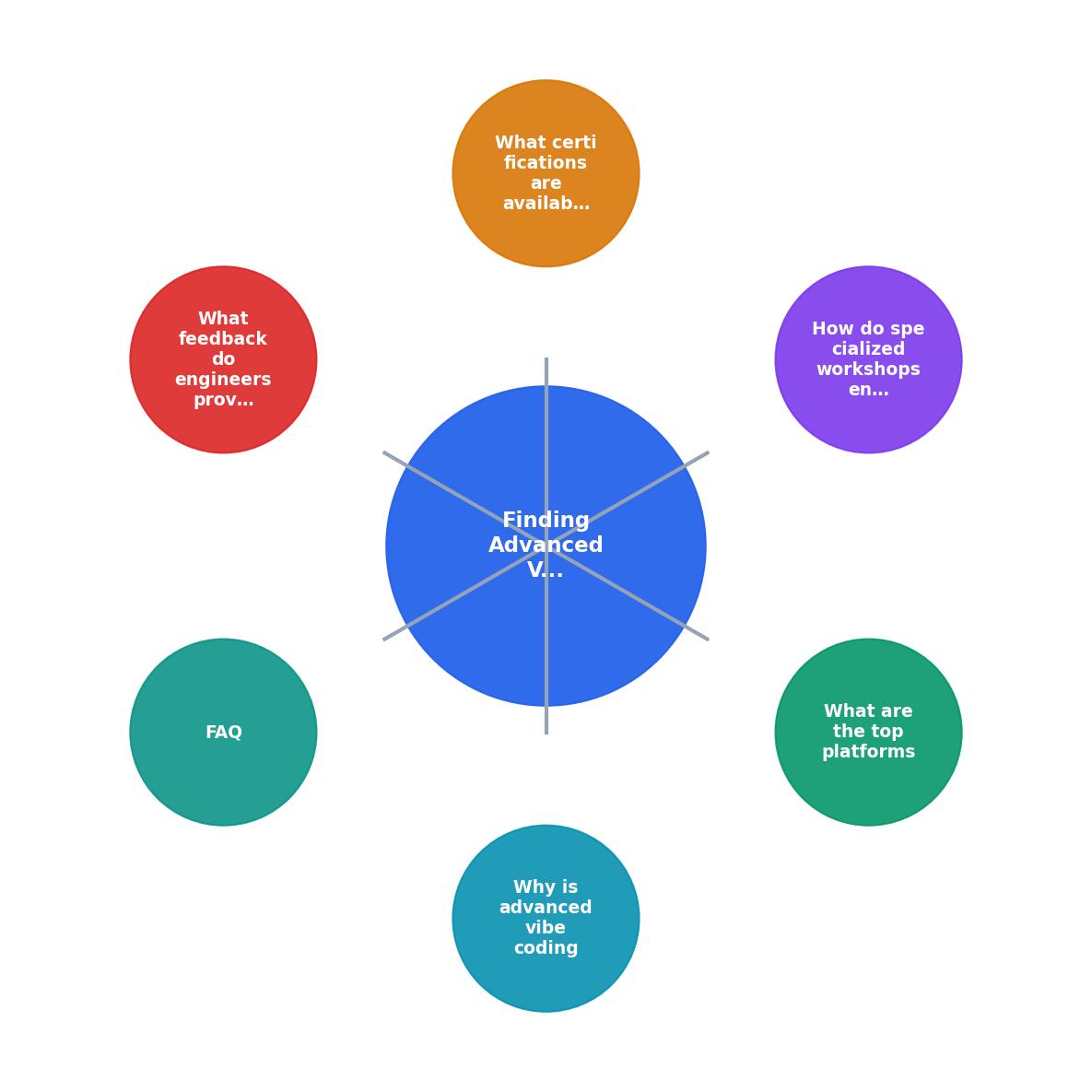
The selection framework is simple: goal → format → duration → cost. A solo founder needs different training than a team lead. A person with five years of shipping needs different content than someone fresh out of school. Choose the format that matches your constraints and learning style.
Interactive course comparison dashboard
To help you visualize what different courses offer, here's a snapshot of how major options compare across key dimensions. This example shows typical offerings; check current course pages for exact details.
This dashboard shows the tradeoff space. High mentorship and short duration come at high cost. Low cost means less direct feedback and longer timelines. Choose based on your budget and learning style, not on trying to minimize every dimension.
Selecting an Advanced Vibe Coding Course
Your progress is saved automatically in your browser.
FAQ
Frequently Asked Questions
Additional Resources
- Vibe Coding Explained: Tools and Guides - Vibe coding is a software development practice making app building more accessible, especially for those with limited programming experience.
- A Practical Guide to Vibe Engineering | by Kamen Zhekov - Learn how to move from vibe coding to vibe engineering: a systematic workflow for AI-assisted development using coding agents like Claude Code
- Taming Vibe Coding: The Engineer's Guide - In this article, I share how my understanding of “vibe coding” evolved and the lessons I've learned. adding engineering discipline yields ...