
In the fast-evolving world of software engineering, maintaining high code quality is crucial. With the rise of AI-assisted development, or "vibe coding," developers face new challenges and opportunities. This article explores how vibe coding impacts code quality compared to traditional development methods, offering insights into best practices for professionals keen on leveraging AI without compromising their standards.
TL;DR
- AI can enhance code quality through more efficient processes and tools.
- Risks include inconsistent AI output and potential quality degradation without proper oversight.
- Best practices are essential for maintaining high standards in vibe coding.
Understanding Code Quality
Code quality refers to how well-written and maintainable a codebase is. High-quality code is typically characterized by its readability, efficiency, and scalability. It should be easy to understand, modify, and extend. Moreover, it should perform efficiently and be free from bugs.
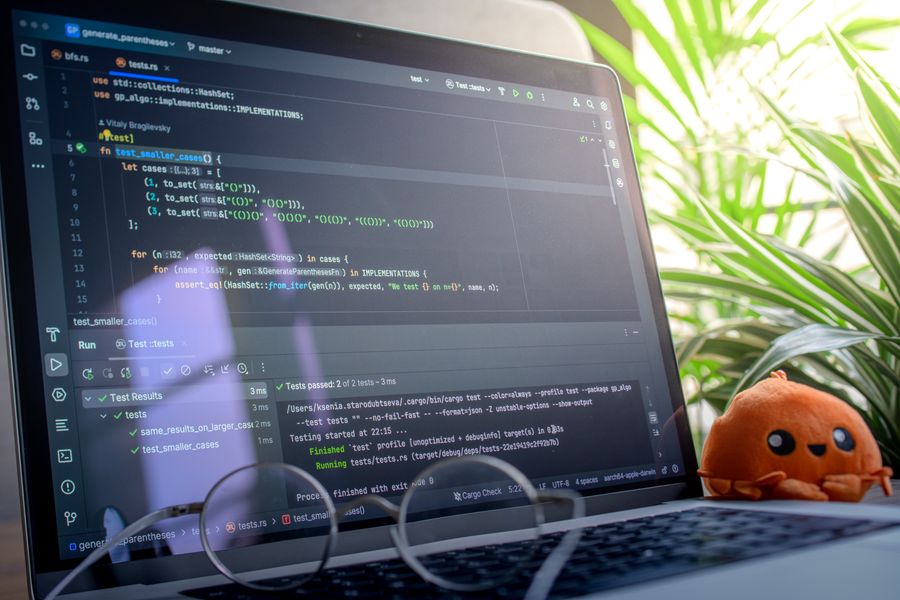
High-quality code is often modular, meaning it is broken down into reusable parts, which makes it easier to maintain and extend. Additionally, it should adhere to established coding standards, which provide guidelines for writing code that is consistent and predictable. This is particularly important in large teams where multiple developers work on the same codebase.
Code quality is not a one-time effort but an ongoing process. It involves regular reviews, refactoring, and updates to ensure that the code remains efficient and relevant as technology and requirements evolve. Developers often use tools like linters and static analysis tools to automatically check for common issues and enforce coding standards.
Vibe Coding and Code Quality
Vibe coding utilizes AI to assist in the development process, potentially impacting code quality both positively and negatively. AI tools can automate repetitive tasks, suggest code improvements, and even generate code snippets. However, without human oversight, AI-generated code can introduce subtle bugs and inconsistencies.
AI tools like Copilot and Tabnine have become popular for their ability to boost productivity. They offer suggestions and code completions that can speed up the development process. However, these tools require careful vetting to ensure the suggestions align with best practices and standards.
Metrics for Evaluating Code Quality
Evaluating code quality in vibe coding involves specific metrics that help assess the effectiveness of AI-generated code:
- Readability: How easily can humans understand the code? Readability is crucial because it affects how quickly developers can grasp what the code is doing, which is essential for debugging and extending the code.
- Maintainability: How easy is it to fix bugs or add new features? Maintainable code is structured in a way that makes it easy to locate and modify parts of the code without introducing new errors.
- Performance: Does the code run efficiently? Performance is about ensuring that the code executes within acceptable time and resource limits.
- Security: Is the code free from vulnerabilities? Security involves ensuring that the code does not have flaws that could be exploited to compromise the system.
Comparing with Traditional Methods
Traditional development relies heavily on manual coding and thorough human reviews. While this can be time-consuming, it ensures a high level of scrutiny and quality assurance. Vibe coding, on the other hand, accelerates the development process but requires new quality assurance strategies.
Traditional coding practices involve a cycle of writing, reviewing, and testing code. Developers often follow a structured process that includes design, implementation, testing, and maintenance. Each stage involves specific checks to ensure the code meets the required standards and functions as expected.
Role of Code Reviews and QA
Code reviews are crucial in maintaining code quality in vibe coding. They provide an opportunity for developers to catch errors, suggest improvements, and ensure that AI-generated code meets the required standards.
- Peer reviews help identify issues that AI might miss. They involve having another developer review the code to catch potential errors and suggest improvements.
- Automated testing complements AI tools by ensuring that the code behaves as expected. Testing frameworks can automatically run tests to verify that the code performs correctly under various conditions.
The integration of AI into the coding process does not eliminate the need for human oversight. Instead, it shifts the focus from writing code to reviewing and refining it. Developers must remain vigilant to ensure that AI-generated code aligns with project goals and quality standards.
Best Practices for Vibe Coding
To enhance code quality in vibe coding, developers should adopt specific strategies:
- Regular code reviews to catch errors early. Frequent reviews help maintain a high standard of code quality by ensuring that issues are identified and addressed promptly.
- Consistent use of testing frameworks to ensure code reliability. Testing frameworks provide a structured way to verify that the code works as intended and can handle a variety of scenarios.
- Continuous learning and adaptation to keep up with AI tools and their capabilities. Technology is constantly evolving, and developers must stay informed about the latest tools and techniques to leverage AI effectively.
Developers should also focus on writing clear and concise documentation. Good documentation helps others understand the code and its intended use, which is crucial for maintaining and extending the codebase.
Practical Artifact: Code Review Checklist for Vibe-Coded Projects
A structured code review process can help mitigate the risks associated with vibe coding. Here's a checklist to guide your reviews:
Code Review Checklist for Vibe-Coded Projects
Your progress is saved automatically in your browser.
This checklist serves as a guide to ensure that all aspects of code quality are considered during the review process. It helps maintain a consistent approach to evaluating and improving code quality.
FAQ
Frequently Asked Questions
Interactive Visual: Vibe Coding vs Traditional Development
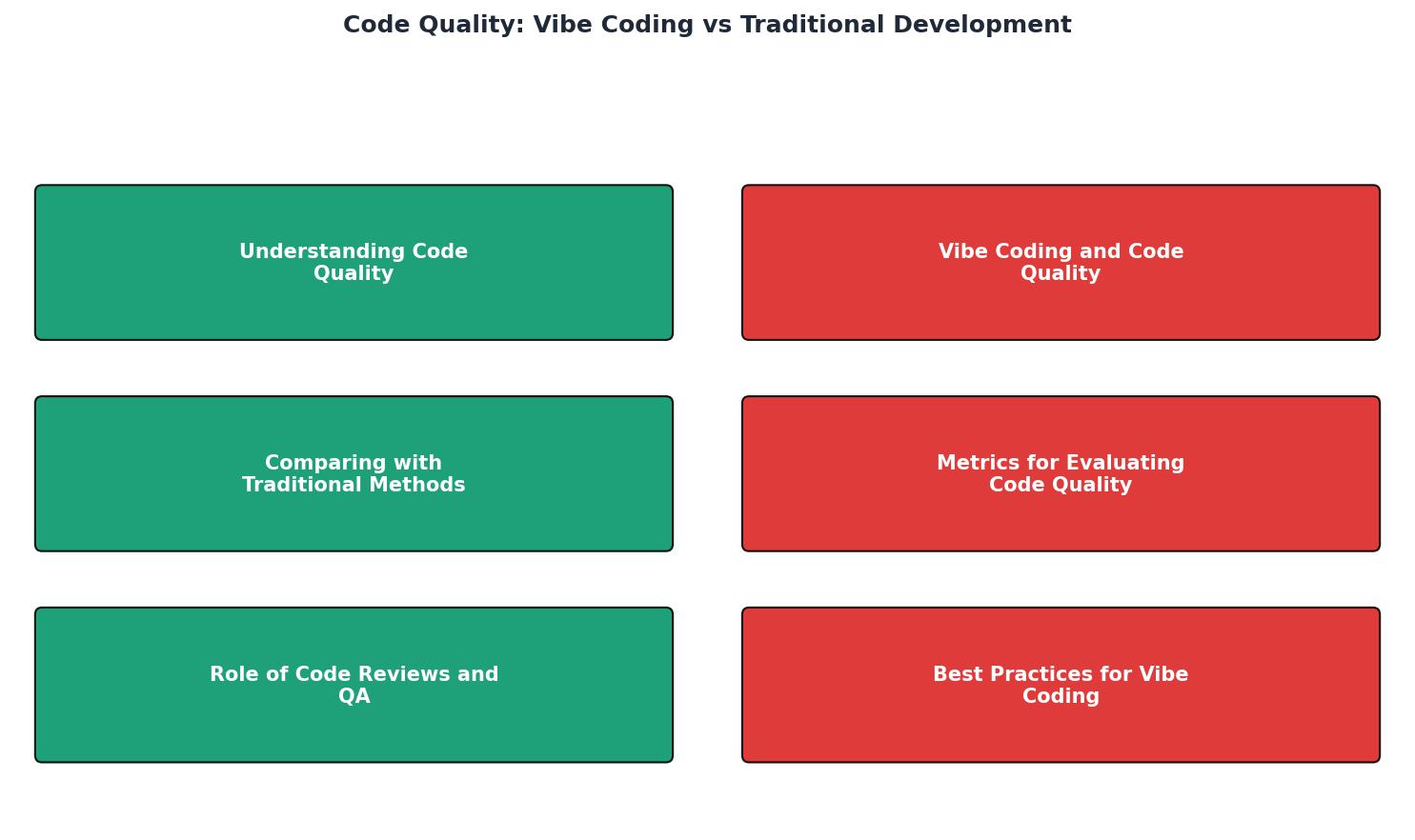
To better understand the differences between vibe coding and traditional development, let's look at a visual comparison of their processes and outcomes.
Vibe Coding vs Traditional Development
How do you balance AI efficiency with code quality in your projects? Share your thoughts in the comments below.
Additional Resources
- Vibe coding vs traditional programming - Graphite - vibe coding can produce a working solution faster (but often less polished), whereas traditional coding delivers a well-structured result at the cost of more ...
- What Is Vibe Coding? How It Compares to Traditional Code - Vibe coding makes writing code easier, faster, and cheaper than traditional coding methods. Vibe coding is great for prototypes or smaller ...
- Vibe Coding vs. Traditional Dev: Why Programming is ... - Vibe coding is ideal for prototyping, internal tools, and fast iteration. Traditional development remains better suited for complex, critical ...