Photo by Markus Spiske from Pexels
Five years ago, shipping a software product as a solo founder meant years of grinding through computer science textbooks, debugging frameworks, and wrestling with deployment pipelines. Today, that timeline has compressed, but the real story isn't speed. It's that the entire culture of indie development has shifted. Vibe coding is breaking down the gatekeeping of technical knowledge, rewiring how developers collaborate, and fundamentally changing who gets to build.
TL;DR
- Vibe coding has democratized indie development by letting non-engineers ship production software, shifting focus from technical credentials to execution speed and iteration ability.
- Collaboration patterns are evolving: developers now work alongside AI reviewers, share vibe-coded components openly, and build communities around rapid iteration rather than solitary craft.
- Diversity in tech is expanding as vibe coding lowers barriers; founders from non-technical backgrounds are entering the space, bringing new perspectives and business models.
- Traditional gatekeeping, computer science degrees, years of framework experience, is becoming less relevant. What matters now is knowing how to direct AI and how to ship.
A mindset shift from mastery to iteration
The indie development culture of 2020 rewarded deep technical mastery. You learned a stack. You became expert at Postgres query optimization. You studied system design. The payoff was autonomy, you could build anything, anywhere, with confidence.
Vibe coding flips that priority. Instead of mastery first, the new culture values rapid iteration and feedback velocity. A founder with no backend experience can now ship an API in an afternoon using Claude and a few prompts. She'll iterate on it faster than someone who spent a year perfecting SQL. That's not because she's smarter, it's because she's freed from the friction of learning syntax and architectural dogma.
This shift reframes what "knowing how to code" means. It's no longer about memorizing libraries or debugging at 2 AM. It's about understanding the problem deeply, knowing how to talk to an AI, reviewing output critically, and shipping fast. The culture has moved from "Can you build it?" to "Can you ship it and iterate on feedback?"
That fundamentally changes the composition of who enters indie development. It's no longer a path reserved for CS graduates or self-taught polyglots with five years of framework battle scars.
Collaboration is no longer solitary
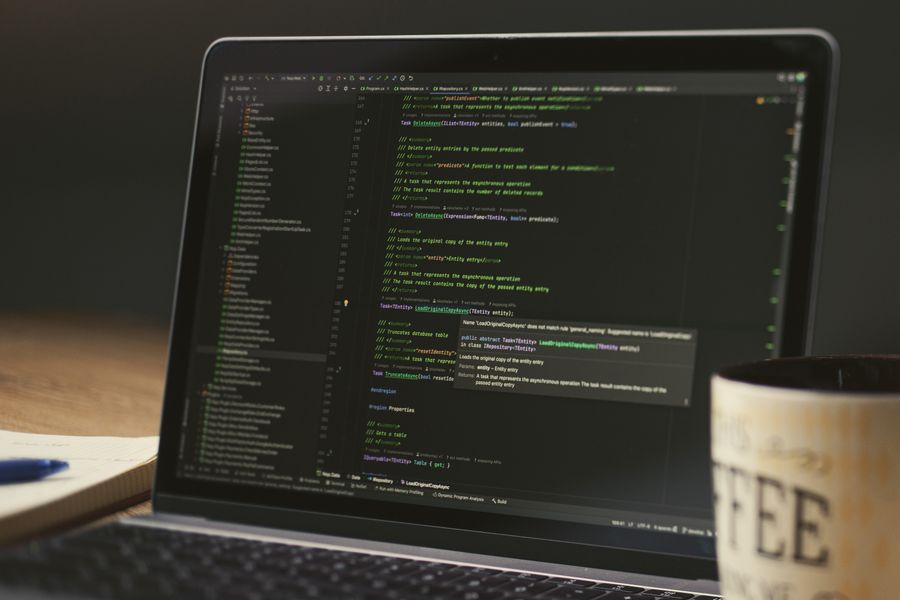
The stereotypical indie developer was a soloist: one person, one codebase, total autonomy. That image is outdated.
Vibe coding is creating new collaboration models. A solo founder now works with AI as a peer reviewer. Two friends can spin up a SaaS in a weekend and split the work: one focuses on product direction, the other on architecture reviews. Communities are forming around shared vibe-coded components, developers posting reusable patterns, discussing tradeoffs, and iterating openly.
The rhythm of indie work has changed too. Instead of long, isolated coding sprints followed by launches, teams are shipping weekly or daily. Every deploy triggers feedback. That feedback shapes the next iteration. Collaboration happens in the open, not in closed pull requests, but in Discord channels, shared dashboards, and fast-moving GitHub discussions.
"The most striking aspect isn't just the speed – it's the ability to pivot instantly when something isn't working.">, Vibe Coding: When Software Writes Itself
This shift is especially visible in how indie teams now handle code review. Instead of waiting for a human expert, developers ship with AI-assisted review, then respond to real user feedback. The culture has moved from "get it perfect before launch" to "launch and learn."
Breaking barriers to entry

The traditional path to indie development was gatekept. You needed credentials: a CS degree, or years of experience at a tech company. You needed to know the right frameworks, write clean code, understand databases. This gatekeeping wasn't intentional cruelty, it was friction. The barriers were real.
Vibe coding has dismantled many of those barriers. A product manager can now become a founder and ship a tool. A designer can build the backend for her vision. A domain expert, a former accountant, a nurse, a farmer, can translate her expertise into software without learning programming languages first.
This has immediate effects on diversity in tech. More women are entering indie development. More people from underrepresented backgrounds are building. Not because gatekeeping magically disappeared, but because the technical barrier, the steepest one, has lowered dramatically.
The culture is shifting to acknowledge this reality. Where indie spaces once celebrated the self-taught hacker with 15 years of framework mastery, they now celebrate the founder who shipped a profitable SaaS in two months, regardless of background. The discourse is changing: vibe-coded products are increasingly seen not as inferior shortcuts, but as legitimate software built by people who understand their users and can iterate faster.
New patterns in community and knowledge-sharing

Indie development communities are reorganizing around vibe coding. Twitter spaces and Discord channels that once debated architecture patterns now discuss prompt engineering, review strategies, and how to maintain quality at speed.
The knowledge that gets shared has shifted. Instead of deep dives on database indexing or system design, indie developers are sharing:
- Patterns for working with AI: how to structure prompts, what to look for in generated code, how to catch subtle bugs that AI misses
- Vibe-coding workflows: template repositories, review checklists, deployment patterns proven to work with AI-generated code
- Real product stories: founders shipping with vibe coding, the mistakes they made, what worked, how they maintained quality
Four Ways Indie Culture Is Changing
Speed first. Shipping in days instead of months is now the baseline expectation.
Open iteration. Feedback loops are public; shipping early and learning fast is valorized.
Lower barriers. Non-technical founders are no longer exceptions, they're reshaping the indie scene.
New metrics. Shipping velocity and user feedback speed matter more than code elegance.
This shift in what gets celebrated has real consequences. It's no longer unusual to see a bootstrapped SaaS that was vibe-coded in three weeks. It's increasingly rare to hear someone dismiss vibe coding as "not real programming." The culture is catching up to the reality: vibe coding is how a lot of indie software is actually being built, and it works.
What this means for the next wave of founders
The cultural shift is still settling. Some indie developers see vibe coding as a shortcut that will corrupt quality. Others see it as liberation from unnecessary complexity. Both perspectives have merit, but the culture is decisively moving toward the latter.
For someone considering indie development today, the landscape is radically different than it was five years ago. You don't need to be a polyglot or a CS PhD. You need to understand your users, be willing to iterate, and know how to work with AI tools effectively. That's a fundamentally more accessible entry point.
The tradeoff is accountability. Because vibe coding is faster and more accessible, the bar for shipping responsibly has actually risen. You can launch a product in a week, but you need to understand security implications, data handling, scalability limits, and what can go wrong. The culture is slowly building norms around this: vibe code shipped with guardrails, not carelessness.
The emerging norm
Vibe coding isn't the future of indie development, it's the present. The cultural shift is from "is vibe coding acceptable?" to "how do we vibe code responsibly?"
Fostering Collaboration in Your Indie Development Team
Your progress is saved automatically in your browser.
FAQ
Frequently Asked Questions
Additional Resources
- Vibe Coding: When Software Writes Itself - The Cultural Shift in Software Creation ... Vibe coding is fundamentally reshaping who builds it. Just as smartphones democratized photography and ...
- Reporters Turn to Vibe Coding for Interactive Storytelling - Vibe coding makes it possible for reporters to spin up interactive explainers, lightweight tools, and story-specific experiences
- I Revolted Against “Vibe Coding” — Until I Realized I'd ... - I've come to see vibe coding as neither a meme nor a revolution, but something in between: a cultural shift in our industry. It's making coding ...