
Three years ago, a product manager at a mid-size SaaS company could not prototype a feature without filing a ticket and waiting two sprints. Today that same PM opens Cursor, describes the feature in plain English, and has a working prototype running locally before lunch. Vibe coding has turned non-engineers into builders, and the job market is starting to reward that shift. This article breaks down exactly how to use vibe coding skills to open doors you assumed required a computer science degree.
Photo by Vitaly Gariev from Pexels
TL;DR:- Vibe coding lets non-engineers build working software by describing intent to AI tools like Cursor, Claude, and Lovable, rather than writing every line by hand.
- The skills you gain (prompt engineering, debugging, system thinking) translate directly into product management, tech entrepreneurship, and technical sales roles.
- Packaging these skills on your resume and portfolio gives you a measurable edge over candidates who still treat "technical" and "non-technical" as a hard boundary.
What Vibe Coding Actually Means
Forget the hype-cycle definitions. Vibe coding is the practice of building software by collaborating with AI coding assistants. You describe what you want in natural language, the AI generates code, and you iterate: reviewing output, adjusting prompts, testing results, and shipping. The term was coined by Andrej Karpathy in early 2025, and it stuck because it captures the feel of the workflow. You guide the vibe; the AI writes the syntax.
For someone without an engineering background, this changes the equation completely. You no longer need to memorize language syntax or spend months learning data structures before you can build something useful. Instead, you need:
- Clear problem articulation - describing what the software should do
- Iterative review skills - spotting when AI output is wrong or incomplete
- Basic architectural awareness - understanding how pieces fit together
- Testing instincts - knowing how to verify that the thing actually works
Skills You Gain Through Vibe Coding

The real value of vibe coding is not the code itself. It is the transferable skills you build while producing that code. Here is what accumulates in your toolkit:
- Prompt engineering - You learn to communicate precisely with AI. This skill transfers to every AI tool your company adopts, not just coding assistants.
- Debugging and critical thinking - AI-generated code breaks. Finding out why teaches you to read stack traces, check logs, and isolate problems. That is problem-solving at its core.
- System design intuition - After building a few projects, you start understanding databases, APIs, authentication flows, and deployment pipelines. Not at an expert level, but enough to have informed conversations with engineers.
- Rapid prototyping - You can go from idea to clickable prototype in hours. In product roles, this is a superpower.
- Version control basics - Most vibe coding workflows involve Git. You pick up branching, commits, and pull requests naturally.
- Technical communication - Explaining what you built (and how) to both technical and non-technical audiences becomes second nature.
Career Paths Vibe Coding Opens
Not every career move requires you to become a full-time developer. Vibe coding creates leverage in roles that sit at the intersection of business and technology.
Product Management. PMs who can prototype features independently move faster. Instead of writing a spec and hoping the engineering team interprets it correctly, you build a working version. You test it with users. You bring data to the sprint planning meeting, not just opinions. Companies like Figma and Linear have PMs who regularly prototype with AI tools.
Technical Sales and Solutions Engineering. When a prospect asks "can your platform do X?", you build a quick demo instead of saying "let me check with engineering." That responsiveness closes deals.
Tech Entrepreneurship. The barrier to launching a software product used to be hiring a developer or learning to code for months. Vibe coding compresses that timeline. Solo founders are shipping MVPs with Lovable, v0, and Cursor, validating ideas before spending a dollar on a traditional dev team.
Data Analysis and Operations. Building internal tools, automating workflows, creating dashboards. Operations teams that vibe-code their own solutions stop waiting in the IT queue.
UX/UI Design. Designers who can implement their own prototypes in code (even AI-assisted code) bridge the design-to-development gap that causes so many handoff problems.
Real Transitions That Worked
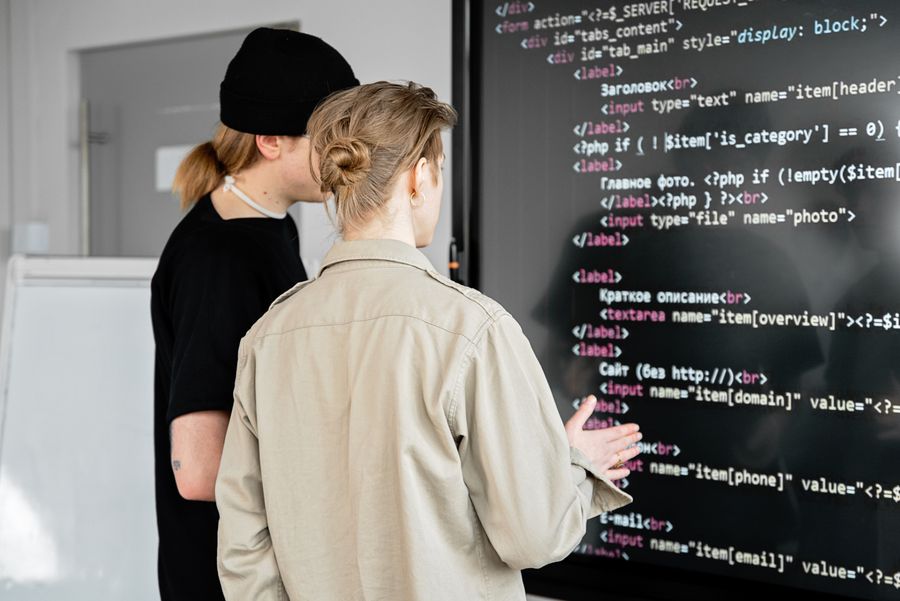
Consider a few patterns that keep showing up in communities like Indie Hackers, r/SideProject, and Product Hunt:
Pattern 1: PM to Technical PM. A product manager at a B2B startup started using Cursor to prototype features before sprint planning. Within six months, they moved into a "Technical PM" role with a 20% salary bump. The title change reflected reality: they were already doing the work.
Pattern 2: Designer to Design Engineer. A UI designer learned to vibe-code React components using Claude. Their portfolio shifted from static mockups to live, interactive demos. They landed a design engineer role at a startup that valued the hybrid skillset.
Pattern 3: Domain Expert to Solo Founder. A real estate agent built a property comparison tool using Lovable and basic prompt iteration. The tool started as a personal productivity hack, turned into something colleagues wanted, and became a small SaaS product generating recurring revenue.
"I'm curious what professional programmers think of the recent vibe coding trend.">, Is Vibe Coding the Future of Skilled Work?
The common thread: none of these people set out to become software engineers. They used vibe coding as a lever to do their existing jobs better, and the market rewarded them for it.
Vibe Coding in Product Management
Product management deserves a deeper look because it is the role where vibe coding creates the most immediate impact.
A typical PM workflow involves writing user stories, prioritizing backlogs, and coordinating with engineering. Add vibe coding, and the workflow transforms:
- Identify a user pain point from support tickets or analytics
- Prototype a solution in Cursor or Lovable in a few hours
- Test the prototype with 5-10 users using a simple feedback form
- Bring validated data to the engineering team, not just a hypothesis
- Collaborate on production implementation with shared context
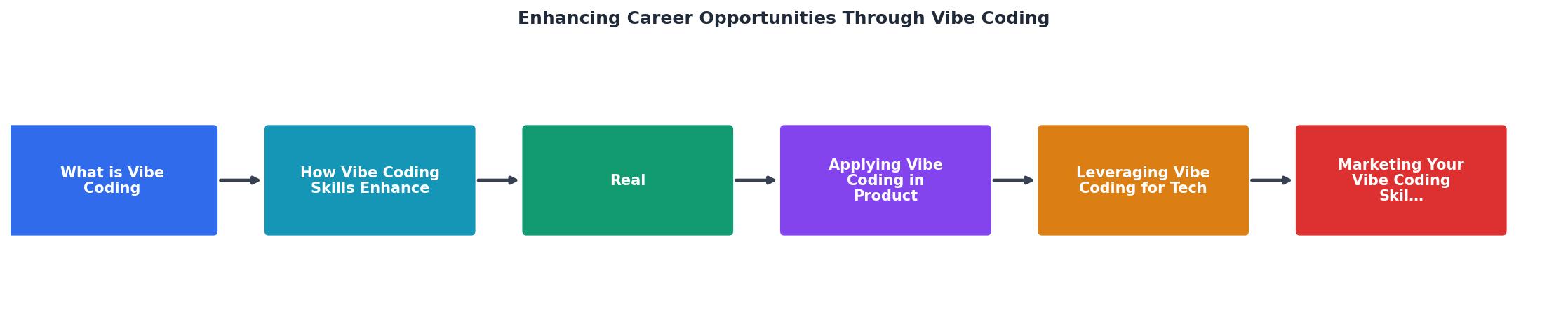
The steps in the diagram map directly to the workflow above: Identify pain point, Prototype with AI, Test with users, Validate with data, Collaborate with engineering. Each step builds on the previous one, and the entire cycle can repeat weekly.
Launching a Tech Venture with Vibe Coding
Starting a tech company used to require either deep technical skills or enough capital to hire someone with those skills. Vibe coding changes the math.
Here is a realistic launch sequence for a non-engineer founder:
- Validate the idea - Talk to 20 potential customers. Do not build anything yet.
- Build an MVP with AI - Use Cursor, Lovable, or v0 to create a functional prototype. Focus on the one core feature that solves the validated problem.
- Deploy to a simple platform - Vercel, Railway, or Fly.io. These platforms handle infrastructure so you do not need DevOps knowledge.
- Get paying users - Even 5 paying customers prove the concept is real.
- Hire engineering help for scale - Once revenue justifies it, bring in an engineer to refactor, secure, and scale the codebase.
Marketing Your Vibe Coding Skills
Having the skills is half the equation. The other half is making sure hiring managers and clients know about them.
Here is what works, based on what actually gets attention in hiring pipelines:
Build a public portfolio. Deploy 3-5 small projects. Each one should solve a real problem, even a small one. A portfolio of live, working apps beats a resume bullet point every time.
Document your process. Write short case studies: "I built X using Cursor in Y hours. Here is what worked, what broke, and how I fixed it." Post them on LinkedIn or a personal blog. Hiring managers love seeing how candidates think through problems.
Use specific language on your resume. Do not write "familiar with AI tools." Write "Built and deployed a customer feedback dashboard using Cursor and Next.js, reducing feature validation time from 2 weeks to 3 days."
Contribute to open-source or community projects. Even small contributions show you can work in a collaborative codebase.
Get comfortable with technical interviews. You will not face LeetCode-style algorithm questions for PM or design roles, but you might get asked to walk through how you built something. Practice explaining your vibe coding projects clearly.
The following interactive card shows an example of how a non-engineer might present their vibe coding skill set to a potential employer:
Vibe Coding Skill Profile
Example portfolio card for a non-engineer builder
Future Trends in Vibe Coding Careers
The demand curve is pointing up. As AI coding tools improve, the gap between "can describe software" and "can ship software" keeps shrinking. Here is where things are heading:
More hybrid roles. Job titles like "Technical Product Manager," "Design Engineer," and "AI-Assisted Solutions Architect" are growing. These roles explicitly value the combination of domain expertise and building ability.
AI fluency as a baseline expectation. Within two years, "proficient with AI coding tools" will appear on job descriptions the way "proficient with Excel" does today. Getting ahead of that curve matters.
Internal tool building becomes everyone's job. Companies are already encouraging non-engineering teams to build their own internal tools with AI. Operations, marketing, and finance teams that can self-serve reduce bottlenecks across the organization.
Freelance and consulting opportunities expand. Small businesses that cannot afford a full-time developer can hire a vibe coder to build and maintain simple web apps, automations, and dashboards. This is a growing freelance niche.
Employer-Ready Vibe Coding Checklist
Marketing Your Vibe Coding Skills to Employers
Your progress is saved automatically in your browser.
FAQ
Frequently Asked Questions
What role or project are you planning to tackle with vibe coding? Share your starting point and let's figure out the fastest path from idea to working prototype.
Additional Resources
- Is Vibe Coding the Future of Skilled Work? - In some ways, vibe coding dramatically reduces the skill level required to produce working software, at least that of minimal complexity. It ...
- Vibe coding is becoming a real job now - Vibe coding is allowing people who don't write code to build their own apps — and careers.
- 11 things I learned while vibe coding to improve an existing ... - I learned from vibe coding coach Seth Tucker to try to keep each feature in a separate chat, to retain context over time. Build and verify ...