
Stability in AI-generated code is not just a buzzword but a crucial aspect of modern software development. As AI tools become more prevalent in coding environments, ensuring the reliability of this code is paramount. Engineers face the challenge of maintaining stability amidst rapid changes and potential bugs. The solution lies in adopting best practices such as thorough testing, effective version control, and robust CI/CD pipelines.
Photo by ThisIsEngineering from Pexels
TL;DR: Maintaining stability in AI-generated code involves rigorous testing, version control, and continuous integration practices. Engineers can ensure reliability by proactively addressing potential instability issues with proven strategies.
In the fast-paced world of AI-driven development, stability can often seem elusive. Yet, it's essential for delivering reliable software solutions. The key to achieving stability lies in understanding the weaknesses of AI-generated code and implementing strategies to mitigate them. From establishing a solid testing framework to leveraging CI/CD pipelines, there are actionable steps every engineer can take to uphold code quality and reliability.
Importance of Stability in AI-Generated Code
Stability in software development refers to the consistency and reliability of code under various conditions. In the context of AI-generated code, stability becomes even more critical due to the inherent unpredictability of AI algorithms and models. A stable codebase ensures that software performs as expected, without unexpected crashes or failures, providing a seamless experience for end-users.
The significance of stability cannot be overstated. Unstable code can lead to frequent downtimes, security vulnerabilities, and poor user experiences. For businesses, this translates into lost revenue, damaged reputation, and increased maintenance costs. Engineers, therefore, need to prioritize stability to uphold the integrity and reliability of their software solutions.
Techniques for Ensuring Code Reliability
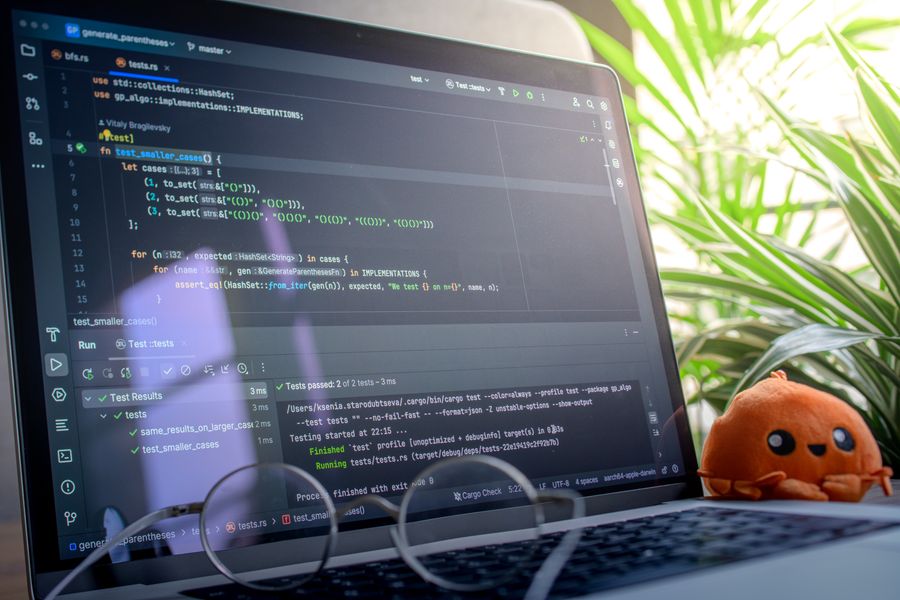
To ensure the reliability of AI-generated code, engineers must adopt a comprehensive testing strategy. This involves unit testing, integration testing, and system testing. Each type of testing serves a unique purpose in identifying bugs and ensuring that the code functions correctly. Unit tests verify individual components, while integration tests ensure that these components work together seamlessly. System tests then validate the entire application in a real-world environment.
Another critical component of maintaining code reliability is version control. Tools like Git allow engineers to track changes, collaborate effectively, and revert to previous versions when necessary. Proper version control practices help prevent conflicts and ensure that code changes are well-documented and manageable.
Role of CI/CD Pipelines
Continuous Integration and Continuous Deployment (CI/CD) pipelines play a pivotal role in maintaining stability in AI-generated code. These pipelines automate the process of integrating and deploying code changes, ensuring that every change is tested and verified before it reaches production.
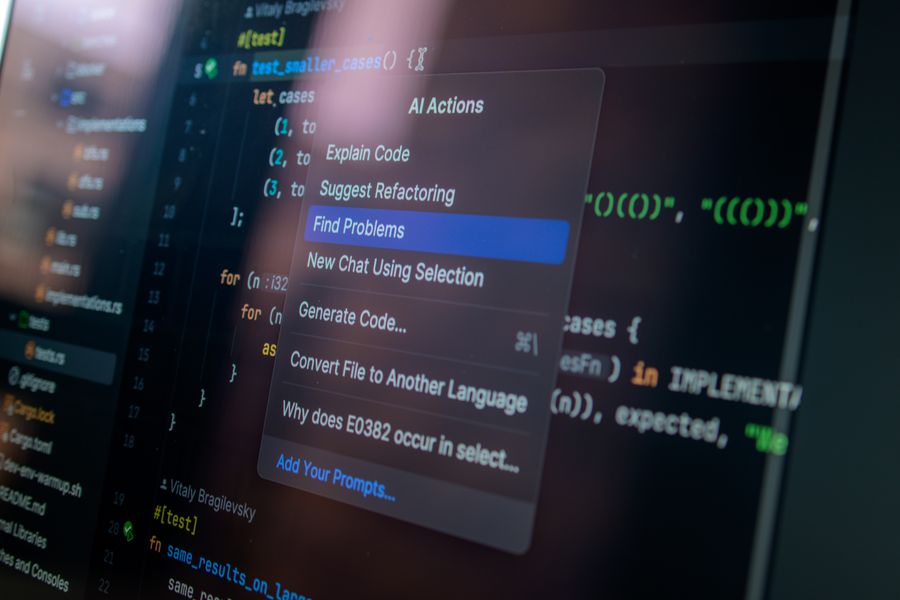
CI/CD pipelines offer several benefits:
- Automated testing: Every code change triggers a suite of tests, catching bugs early in the development cycle.
- Consistent deployment: Automated deployments reduce the risk of human error and ensure consistent environments.
- Faster feedback loop: Developers receive immediate feedback, allowing for quick iterations and improvements.
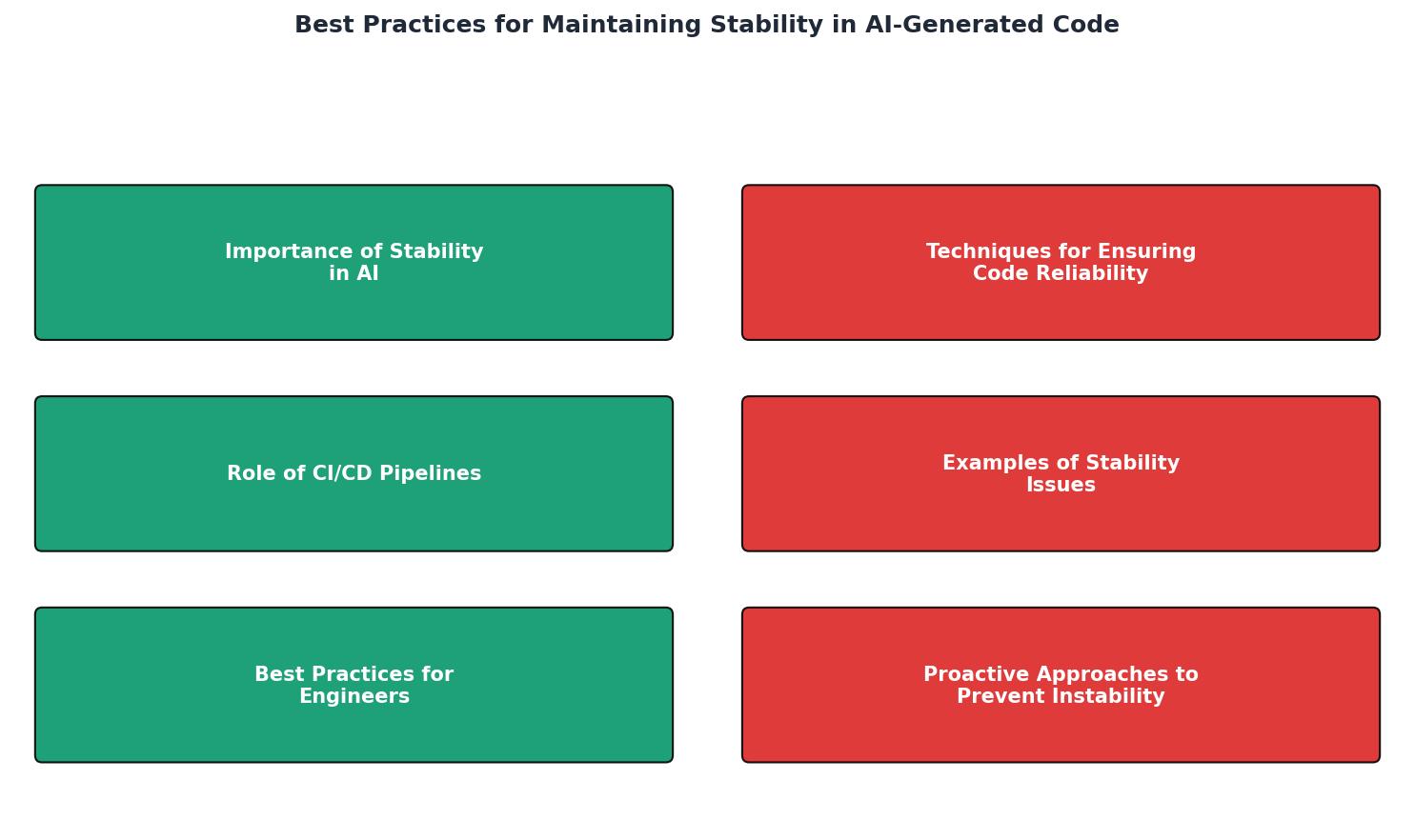
Examples of Stability Issues
Real-world examples highlight the potential pitfalls of unstable AI-generated code. Consider a scenario where an AI model generates code for a web application. If the code isn't thoroughly tested, it might lead to security vulnerabilities, such as SQL injection or cross-site scripting (XSS) attacks. These vulnerabilities can compromise user data and lead to severe legal and financial repercussions.
In another instance, an AI-generated mobile app might crash frequently due to unoptimized code paths or memory leaks. Such issues degrade user experience and can result in negative reviews and decreased user engagement.
Best Practices for Engineers
Engineers can adopt several best practices to maintain stability in AI-generated code:
- Comprehensive Testing: Implement unit, integration, and system tests. Regularly update test cases to reflect new code changes.
- Effective Version Control: Use tools like Git to manage code changes and collaborate effectively.
- CI/CD Implementation: Automate testing and deployment processes to ensure consistent and reliable code delivery.
- Code Reviews: Conduct regular code reviews to catch potential issues and enforce coding standards.
- Monitoring and Logging: Implement monitoring tools to track application performance and identify issues in real-time.

Proactive Approaches to Prevent Instability
Preventing instability in AI-generated code requires a proactive approach. Engineers should anticipate potential issues and address them before they escalate. This involves staying updated with the latest AI development trends and tools, participating in continuous learning, and fostering a culture of quality and accountability within development teams.
FAQ
Frequently Asked Questions
Checklist for Implementing CI/CD Pipelines in AI Projects
Implementing CI/CD pipelines is crucial for maintaining stability in AI-generated code. Here's a checklist to help you get started:
CI/CD Pipeline Implementation Checklist
Your progress is saved automatically in your browser.
"“We trust their judgment because they are extremely reliable.” | Morgan Venable - Head of Product, Groundlight."
— Best Practices for Using AI in Software Developmen, Best Practices for Using AI in Software Developmen
Additional Resources
- Best Practices for Using AI in Software Development - The proper documentation of AI-generated code is essential for maintaining clarity and transparency throughout the development process.
- Why AI-Generated Code Becomes Hard to Maintain and How ... - Best practices include adding inline comments to explain AI's logic, tagging code sections with timestamps, and using version control systems to ...
- Understanding AI-Generated Code Quality in Long-Term ... - AI can speed up software development, but maintaining AI-generated code quality requires long-term engineering discipline.