

Vibe coding is revolutionizing the way software is developed by integrating AI tools into traditional practices, enhancing productivity and innovation. This seamless integration is not just about using new tools; it's about enhancing existing workflows and maintaining the quality and dynamics of engineering teams. Discover how vibe coding is not only compatible with traditional methods but also elevates them to new heights.
Photo by ThisIsEngineering from Pexels
TL;DR:- Vibe coding integrates seamlessly with traditional software engineering by enhancing existing practices with AI tools.
- This integration improves productivity and innovation while maintaining quality and team dynamics.
- Successful case studies demonstrate its effectiveness across various industries.
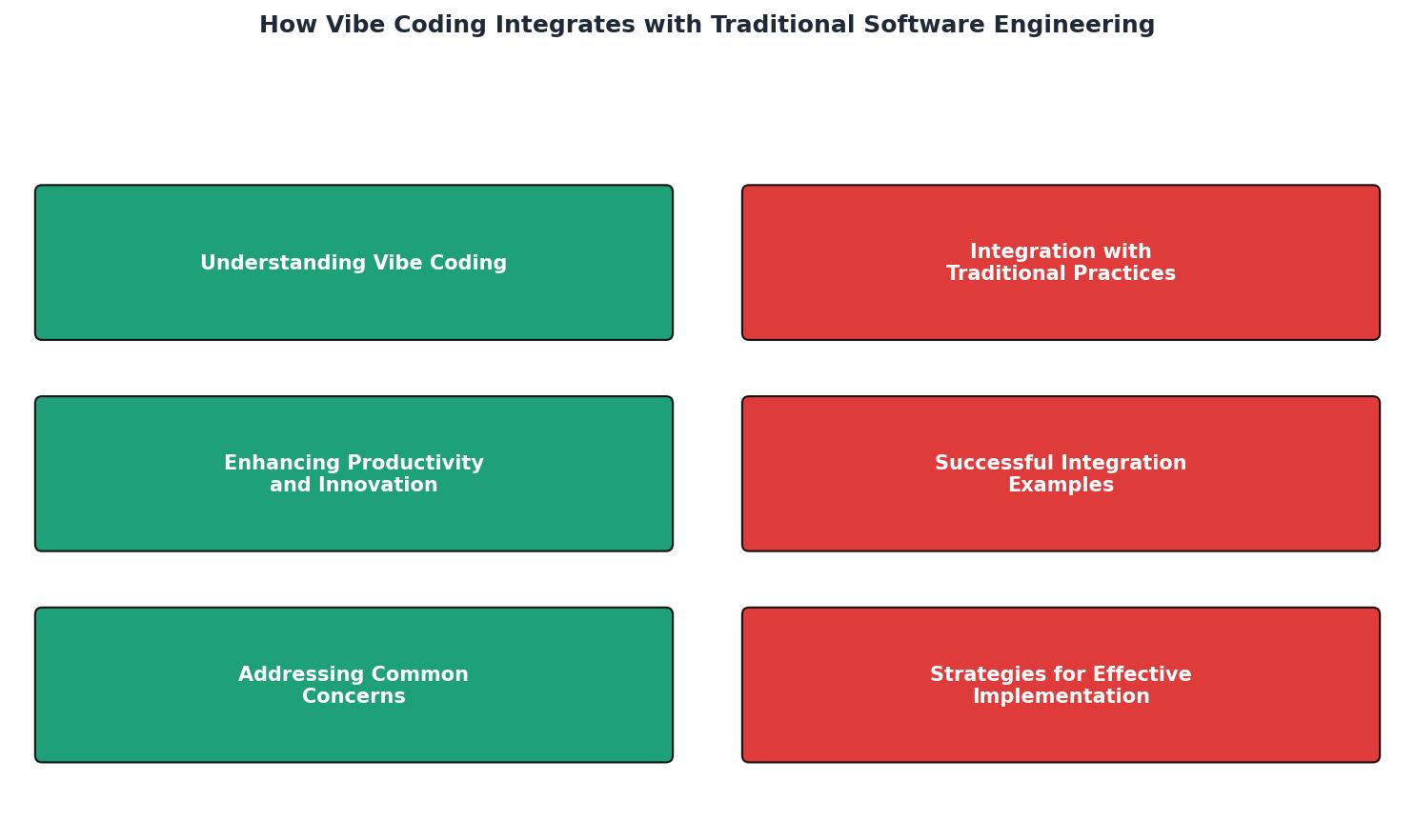
Understanding Vibe Coding
At its core, vibe coding involves using AI tools like machine learning models and natural language processing to enhance the software development process. Unlike traditional coding, which relies solely on human input and logic, vibe coding introduces AI as a collaborator, assisting in tasks such as code generation, debugging, and testing. This collaboration allows developers to focus more on creative and strategic aspects of software development.
Vibe coding essentially redefines the role of the developer. By automating routine tasks, developers are freed up to pursue more complex and rewarding challenges. The AI tools can handle mundane chores like syntax correction, code formatting, and even initial bug detection. This shift allows human developers to concentrate on designing innovative solutions and enhancing user experiences.
Furthermore, vibe coding fosters a more dynamic interaction between human creativity and machine efficiency. Developers can use AI to explore new programming paradigms and experiment with ideas that might be too time-consuming or complex to tackle manually. In this sense, vibe coding acts as a catalyst for innovation, pushing the boundaries of what is possible in software development.

Integration with Traditional Practices
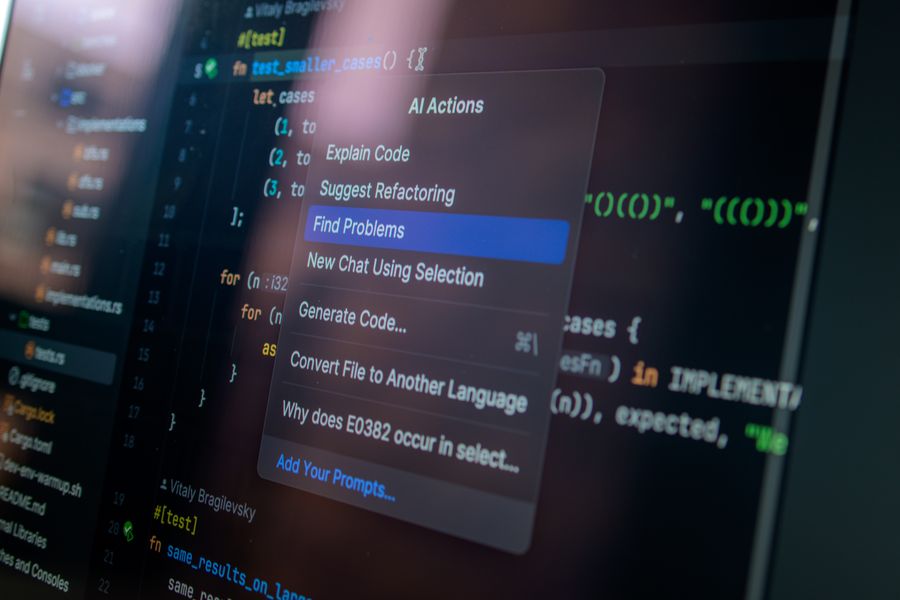
Integrating vibe coding into traditional workflows involves a careful balance of adopting new technologies while maintaining proven engineering principles. Traditional practices like code reviews, version control, and testing remain essential. However, with AI tools, these processes can be significantly streamlined. For example, AI-assisted code reviews can identify potential bugs and suggest improvements, allowing human reviewers to focus on higher-level concerns.
The integration process often begins with identifying which parts of the existing workflow can benefit the most from AI augmentation. Teams must evaluate their current processes to determine where AI can add the most value without disrupting established procedures. For instance, AI can automate the initial stages of code review, highlighting potential issues for human developers to assess further.
Version control systems, a staple in software development, also see enhancements through vibe coding. AI can predict potential merge conflicts and suggest resolutions, thus reducing downtime and enhancing collaboration among team members. The AI's ability to learn from previous conflicts and resolutions leads to more intelligent suggestions over time, further integrating seamlessly into the workflow.
Testing, another critical aspect of software engineering, benefits immensely from AI integration. Automated testing tools powered by AI can simulate user interactions more comprehensively than traditional scripts, uncovering edge cases that might otherwise go unnoticed. This ensures a higher quality of software while reducing the time spent on manual testing.
Enhancing Productivity and Innovation
The productivity benefits of vibe coding are significant. AI tools can automate repetitive tasks, reduce error rates, and provide insights that might take humans much longer to uncover. This means developers can spend more time on innovative tasks that drive the business forward. For instance, AI can help generate boilerplate code, freeing developers to focus on unique features that differentiate their product.
AI tools can also analyze large datasets to offer insights into code performance and user behavior, helping teams make data-driven decisions. By identifying patterns and anomalies in real-time, AI-driven analytics can guide developers toward optimizing code efficiency and user satisfaction. This not only accelerates development cycles but also refines the end product.
Moreover, vibe coding can lead to a more fulfilling work environment for developers. By minimizing the tedious aspects of coding, it allows developers to engage more deeply with creative problem-solving and innovation. This shift in focus can lead to higher job satisfaction and better retention rates, as developers feel more engaged and valued in their roles.
Successful Integration Examples
In the automotive industry, vibe coding has been instrumental in developing autonomous driving systems. AI tools assist in processing vast amounts of sensor data, enabling real-time decision-making that is critical for vehicle safety. This integration not only enhances the performance of autonomous vehicles but also accelerates their development timeline.
In the realm of e-commerce, companies utilize vibe coding to personalize user experiences. AI algorithms analyze user behavior to offer personalized recommendations, improving customer satisfaction and increasing sales. This personalized approach is only possible through the seamless integration of AI into traditional coding practices, demonstrating vibe coding's versatility across industries.

Addressing Common Concerns
Despite its advantages, vibe coding comes with challenges. Concerns about security, data privacy, and the potential for AI-generated errors must be addressed. Implementing robust testing protocols and maintaining a human-in-the-loop approach can mitigate these risks. As one expert notes:
"No, you won’t be vibe coding your way to production, not if you prioritize quality, safety, security and long-term maintainability at scale."
— Vibe coding is not the same as AI, Vibe coding is not the same as AI-Assisted enginee
Security concerns are particularly pertinent when integrating AI into software engineering. AI systems can be susceptible to adversarial attacks, where malicious inputs are designed to trick the AI into making incorrect decisions. To counter this, organizations must implement stringent security measures and continuously monitor AI systems for vulnerabilities.
Data privacy is another significant concern, especially in industries like healthcare and finance, where sensitive information is handled. Ensuring that AI systems comply with data protection regulations, such as GDPR, is crucial. Organizations must establish clear policies on data usage and implement robust encryption techniques to protect user data.
Finally, the potential for AI-generated errors necessitates a cautious approach. While AI can automate many aspects of coding, human oversight remains essential. Developers must verify AI outputs and maintain accountability for the final product, ensuring that any errors are caught and corrected promptly.
Strategies for Effective Implementation
To effectively implement vibe coding, consider the following steps:- Evaluate Needs: Assess which parts of your workflow could benefit from AI integration.
- Select Tools: Choose AI tools that align with your team's expertise and project requirements.
- Train Your Team: Provide training to ensure your team can effectively use AI tools.
- Iterate and Improve: Continuously iterate on your processes to maximize the benefits of AI.
Training is a crucial component of successful vibe coding integration. Developers must be equipped with the skills to use AI tools effectively, which may require workshops, tutorials, or even formal courses. Ensuring that team members are confident in their ability to utilize AI tools is essential for maximizing their potential.
Iterative improvement is the final piece of the puzzle. As teams gain experience with vibe coding, they should continuously evaluate and refine their processes. This iterative approach allows organizations to stay agile and responsive to changes in technology and market demands.
Checklist for Integrating Vibe Coding
To ensure a smooth transition to vibe coding, follow this checklist:
Vibe Coding Integration Checklist
Your progress is saved automatically in your browser.
FAQ
Frequently Asked Questions
Key takeaway: Vibe coding enhances traditional software engineering by integrating AI tools, boosting productivity, and fostering innovation while maintaining quality and security.
To fully realize the potential of vibe coding, it is essential to integrate it thoughtfully into existing workflows. How is your team planning to embrace this transformative approach? Share your thoughts and experiences in the comments below.
Additional Resources
- Vibe coding is not the same as AI-Assisted engineering. - Optimists call vibe coding the next abstraction layer — like moving from assembly to Python. Outsiders will push it forward until it works. ...
- Vibe Coding vs. Traditional Dev: Why Programming is ... - Vibe coding changes how software is built by shifting from manual implementation to intent-driven development. Instead of writing detailed ...
- What is Vibe Coding? | IBM - Vibe Coding is a fresh take in coding where users express their intention using plain speech, and the AI transforms that thinking into executable code.