
Vibe coding is transforming how indie hackers approach software development by integrating AI into the process, making it faster and more accessible. Unlike traditional coding, which often requires extensive technical knowledge and time, vibe coding leverages AI to streamline development tasks. This shift reduces technical barriers and accelerates project timelines, allowing indie developers to focus on creativity and innovation. Let's explore the key differences between these two approaches and how vibe coding is empowering indie hackers to bring their ideas to life.
Photo by hitesh choudhary from Pexels
TL;DR
- Vibe coding utilizes AI to make software development faster and more accessible.
- Traditional coding requires more technical knowledge and time investment.
- Indie hackers benefit from reduced barriers and quicker project timelines.
Overview of Vibe Coding
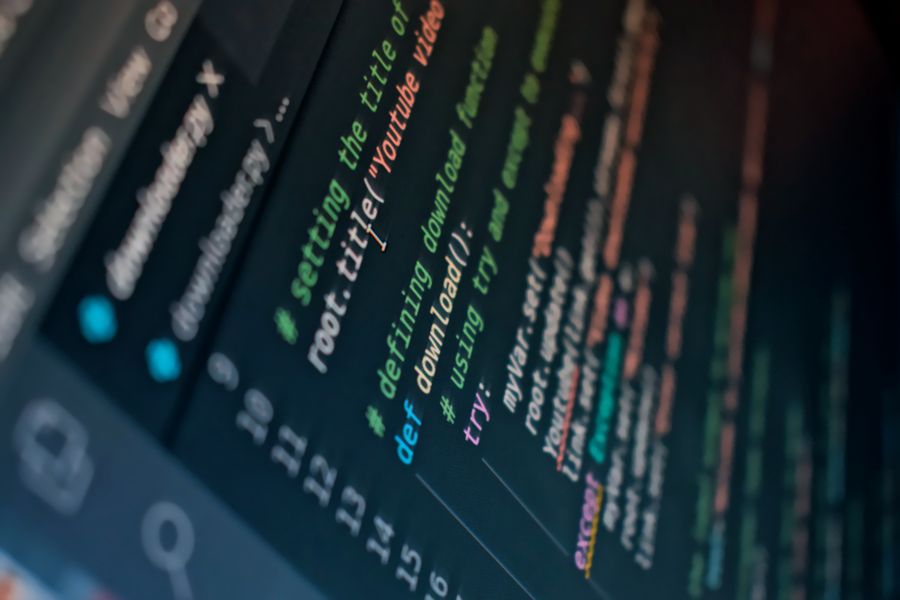
Vibe coding is a modern approach to software development that heavily relies on AI to assist in writing, debugging, and optimizing code. The primary goal of vibe coding is to reduce the technical overhead that comes with traditional coding, allowing developers to focus on creativity and functionality. AI tools like GitHub Copilot, OpenAI's Codex, and various other platforms have made it possible to automate repetitive tasks, suggest code snippets, and even generate entire sections of code based on natural language inputs.
Traditional Coding Methods
Traditional coding involves writing code manually, often from scratch, using programming languages like Python, JavaScript, or Java. This method requires a deep understanding of syntax, algorithms, and data structures. Developers spend considerable time debugging and optimizing code to ensure efficiency and reliability. While traditional coding offers complete control over the codebase, it can be time-consuming and requires significant technical expertise.
Key Differences in Approach

List of Differences Between Vibe Coding and Traditional Coding
- Automation vs. Manual Effort: Vibe coding automates many coding tasks, while traditional coding requires manual input.
- Accessibility: Vibe coding lowers the barrier to entry, making software development accessible to non-engineers.
- Speed: Projects are often completed faster with vibe coding due to AI assistance.
- Control: Traditional coding offers more control over the codebase but at the cost of time and complexity.
- Learning Curve: Vibe coding has a gentler learning curve compared to the steep learning curve of traditional coding.
Benefits for Indie Hackers
For indie hackers, vibe coding offers numerous advantages. The ability to quickly iterate on ideas and bring products to market faster is invaluable. AI tools reduce the time spent on mundane tasks, allowing developers to focus on innovation. Moreover, vibe coding can democratize software development by making it accessible to those without a traditional computer science background.
Transitioning to Vibe Coding
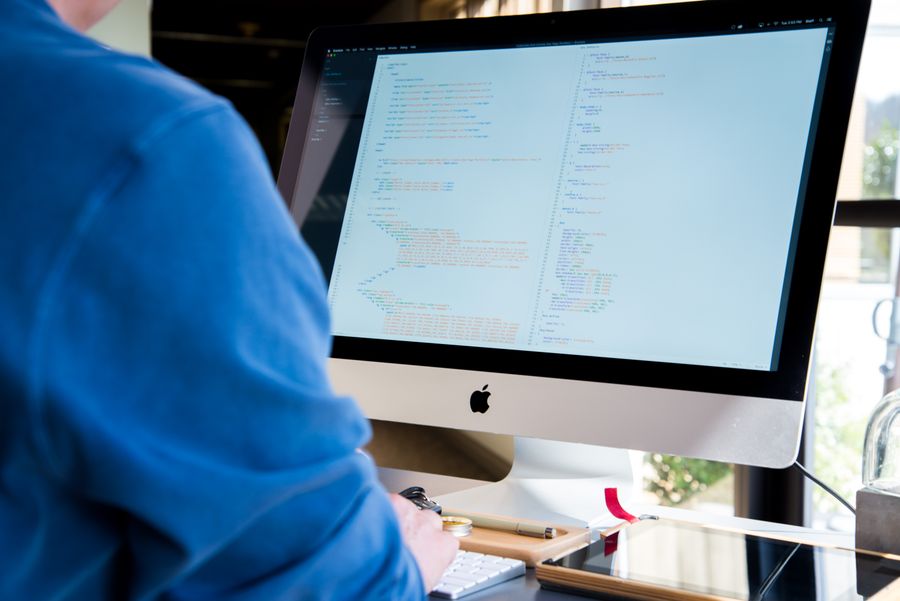
Transitioning from traditional coding to vibe coding involves a few key steps:
- Familiarize Yourself with AI Tools: Start by exploring AI tools like GitHub Copilot or OpenAI Codex to see how they can fit into your workflow.
- Integrate AI Gradually: Begin by using AI for smaller tasks and gradually increase its role as you become more comfortable.
- Leverage Community Resources: Join forums and communities to learn from others who have successfully transitioned.
- Balance Control and Automation: Find a balance between using AI tools and maintaining control over your codebase.
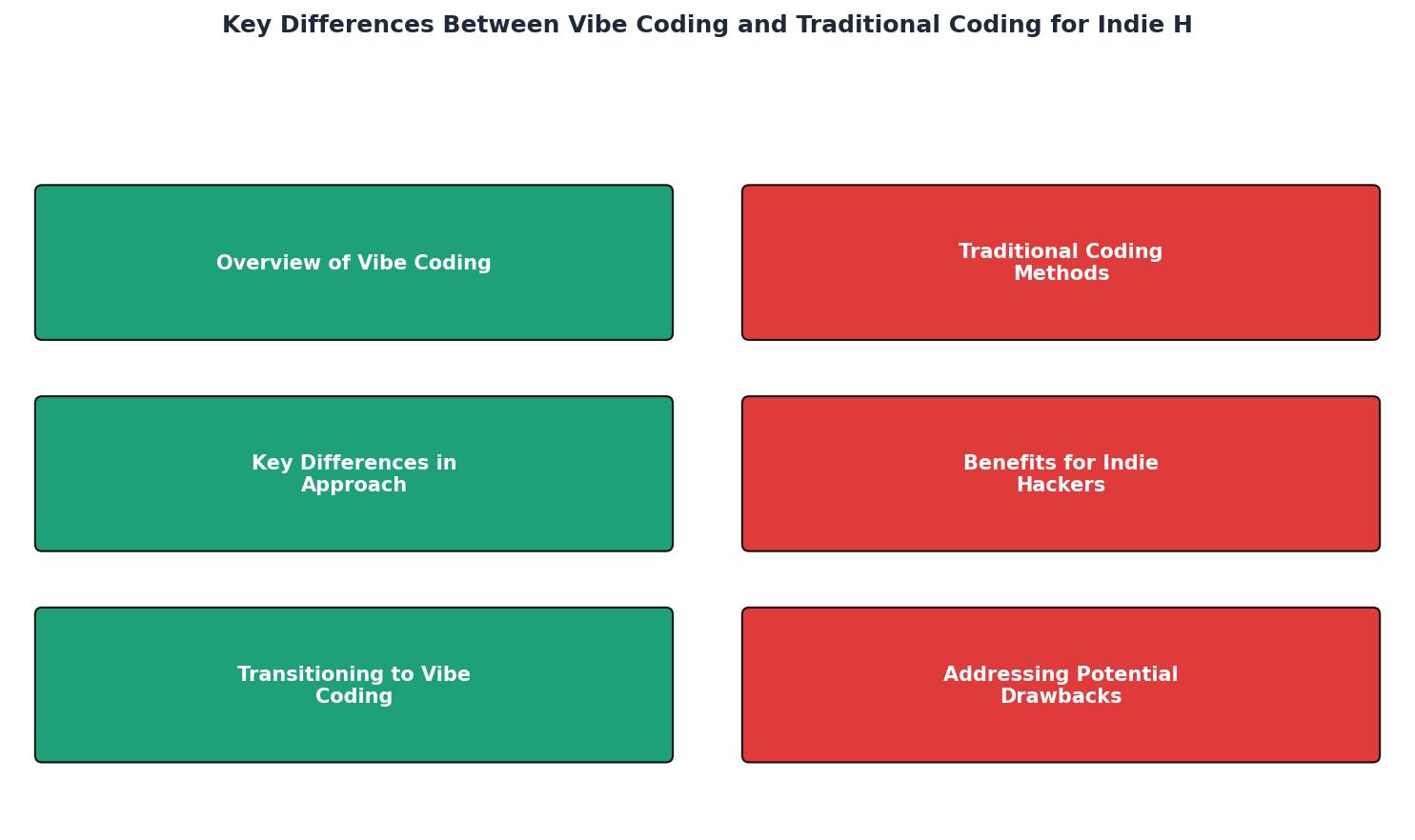
Addressing Potential Drawbacks
While vibe coding offers many benefits, it also comes with challenges. One potential drawback is over-reliance on AI, which can lead to a lack of understanding of the underlying code. To mitigate this, developers should use AI as a tool to augment their skills, not replace them. Additionally, it's important to stay updated on the latest AI developments to ensure you're using the most effective tools.
FAQ
Frequently Asked Questions
Key takeaway: Vibe coding empowers indie hackers by making software development faster and more accessible, enabling them to focus on innovation rather than technical complexities.
Transition Guide for Indie Hackers Moving to Vibe Coding
Your progress is saved automatically in your browser.
By understanding the key differences between vibe coding and traditional coding, indie hackers can better navigate their development journey and bring their innovative ideas to fruition. Feel free to share your thoughts and experiences with vibe coding in the comments below.
Additional Resources
- Coding vs VIBE Coding - It's cool to see how VIBE coding brings a new approach to traditional coding. Definitely makes me think about how both can coexist and enhance ...
- I Built a Vibe Coding Platform in 4 Weeks - I vibe coded a vibe coding platform. In 4 weeks. Nights and weekends. And I didn't write a single line of code.
- Vibe coding vs traditional programming - Graphite - As a result, vibe coding can produce a working solution faster (but often less polished), whereas traditional coding delivers a well-structured result at the ...