

Vibe coding is capturing the attention of professional engineers worldwide. By leveraging the power of AI, this innovative approach is redefining software development, enhancing both speed and creativity. Engineers are drawn to vibe coding because it streamlines complex workflows and boosts productivity, making it an indispensable tool in modern development environments. But what exactly is driving this shift, and why is vibe coding becoming a staple among professionals?
Photo by ThisIsEngineering from Pexels
TL;DR: Vibe coding is becoming popular among professional engineers due to its ability to integrate AI seamlessly into development processes, enhancing speed and innovation while maintaining high-quality standards. It offers significant productivity gains and fosters a more innovative coding environment.
The Rise of Vibe Coding
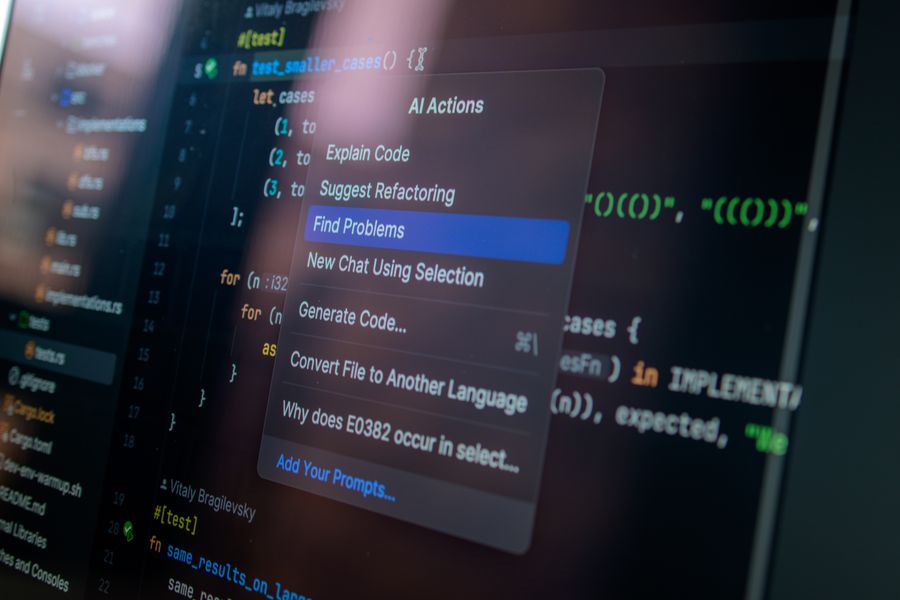
Vibe coding is not just a buzzword; it's a transformative approach that professionals are increasingly adopting. This rise can be attributed to its ability to leverage AI tools like GitHub Copilot, which offer real-time code suggestions, and GPT-3, which can generate code snippets or entire functions based on simple prompts. These capabilities make vibe coding an attractive option for engineers looking to enhance efficiency and innovation in their workflows.
The concept of vibe coding emerged from the need to streamline the coding process by reducing manual intervention. With software systems becoming more complex, the traditional methods of coding, which heavily relied on manual input, began to show limitations in scalability and speed. Vibe coding, with its AI-driven approach, addresses these limitations by providing smart assistance during the coding process.
AI tools in vibe coding can analyze large codebases to identify patterns, suggest optimizations, and even predict potential bugs before they occur. This predictive capability allows engineers to preempt issues that would otherwise consume significant time and resources. Moreover, the AI's ability to learn from past projects enables it to offer increasingly refined suggestions, which is a huge leap from static coding practices.
Benefits for Professional Engineers
The benefits of vibe coding are multifaceted. First and foremost, it boosts efficiency by automating repetitive tasks, allowing engineers to focus on more critical aspects of development. This automation not only speeds up the coding process but also reduces the likelihood of human error.
One of the key advantages is the significant reduction in development time. By automating routine tasks such as code formatting, syntax checking, and even basic problem-solving, engineers can shift their focus to complex problem-solving and strategic planning. This shift not only improves productivity but also enhances job satisfaction, as engineers spend more time on engaging and intellectually stimulating tasks.
Moreover, vibe coding fosters innovation. By integrating AI into the development process, engineers can explore creative solutions and experiment with new ideas without the constraints of traditional coding methods. This freedom to innovate is invaluable in a constantly evolving tech landscape. Engineers can prototype ideas faster, test them in real-time, and iterate quickly based on feedback.
Another benefit is the improved collaboration facilitated by AI tools. With AI handling mundane tasks, team members can dedicate more time to brainstorming and collaborative problem-solving. AI tools can also provide a common platform for different team members to contribute, ensuring that everyone is on the same page and reducing miscommunication.
Comparing Vibe Coding with Traditional Methods
Traditional coding methods often involve manual processes that can be time-consuming and error-prone. In contrast, vibe coding introduces AI to automate these processes, leading to significant productivity gains. Here's a comparison to illustrate these differences:
| Traditional Coding | Vibe Coding |
|---|---|
| Manual debugging | AI-assisted debugging |
| Static code writing | Dynamic code generation |
| Lengthy testing cycles | AI-enhanced testing |
Dynamic code generation is another area where vibe coding shines. While traditional coding involves manually writing each line, AI tools can generate code snippets or entire functions based on high-level descriptions provided by the engineer. This capability not only accelerates development but also allows engineers to focus on higher-level design and architecture rather than the intricacies of syntax.
AI-enhanced testing is another significant advantage. Traditional testing methods often involve lengthy cycles of writing test cases, running them, and analyzing results. AI tools can automate much of this process, generating test cases, running them, and even analyzing the results to provide insights into potential issues.
Successful Adoption Stories
One notable example is a software development company that specializes in fintech solutions. By incorporating AI tools into their coding practices, they were able to reduce their development cycles by half. This reduction allowed them to release products faster and capture market opportunities more effectively. The AI tools not only improved efficiency but also helped maintain high-quality standards by identifying and rectifying potential issues early in the development process.
Another case involves a startup in the healthcare sector that used vibe coding to develop a new patient management system. The AI tools helped the team rapidly prototype different features, test them with real-world data, and iterate based on user feedback. This approach enabled the startup to deliver a robust and user-friendly system in record time, significantly improving patient care and operational efficiency.
Challenges in Vibe Coding
Despite its benefits, vibe coding is not without challenges. One major concern is maintaining code quality. AI-generated code can be inconsistent, requiring thorough review processes to ensure it meets professional standards. Additionally, the integration of AI into development workflows can lead to a steep learning curve for some engineers.
Engineers must navigate the balance between automation and manual oversight. While AI tools can handle many tasks, they are not infallible. There is a risk of over-reliance on AI, which can lead to complacency in code reviews and quality assurance. Engineers must remain vigilant and ensure that AI-generated code is rigorously tested and reviewed.
Moreover, there is the challenge of integrating AI tools into existing workflows. Many organizations have established processes and tools that may not easily accommodate new AI technologies. This integration requires careful planning and change management to ensure a smooth transition and to minimize disruptions.
Solutions for Maintaining Code Quality
To maintain high code quality, engineers should adopt the following strategies:
- Implement rigorous code reviews: Ensure that all AI-generated code undergoes thorough peer review to catch potential errors.
- Establish coding standards: Develop a set of guidelines for AI-assisted development to maintain consistency across projects.
- Continuous learning: Encourage ongoing education on AI tools and their applications to keep skills sharp.
Establishing coding standards is another important step. These standards serve as a guideline for both human and AI-generated code, ensuring that all code is consistent, readable, and maintainable. Standards should be regularly updated to reflect advancements in AI tools and coding practices.
Continuous learning is essential for staying up-to-date with the latest AI tools and techniques. Engineers should be encouraged to participate in training sessions, workshops, and online courses to enhance their skills and knowledge. This ongoing education helps engineers leverage AI tools more effectively and adapt to new developments in the field.
Practical Artifact
To help evaluate vibe coding adoption, use the following case study template:
This checklist serves as a practical guide for organizations looking to adopt vibe coding. By following these steps, teams can effectively integrate AI tools into their workflows, monitor their impact, and continuously improve their processes.
FAQ
How does vibe coding impact team dynamics?
Vibe coding can enhance collaboration by automating mundane tasks, allowing team members to focus on more strategic work. However, it requires establishing shared standards to ensure consistency.Vibe coding can foster a more collaborative environment by freeing up time for team members to engage in brainstorming and strategic discussions. With AI handling routine tasks, engineers can dedicate more time to creative problem-solving and innovation. However, it is important to establish shared standards and guidelines to ensure that all team members are aligned and that the code remains consistent and maintainable.
What are the main benefits of vibe coding for engineers?
The primary benefits include increased efficiency, enhanced innovation, and reduced error rates due to automation and AI integration.Vibe coding offers several benefits for engineers. Increased efficiency is one of the most significant advantages, as AI tools automate routine tasks and streamline workflows. Enhanced innovation is another key benefit, as engineers can explore new ideas and experiment with different approaches without the constraints of traditional coding methods. Additionally, the integration of AI helps reduce error rates by providing suggestions and identifying potential issues early in the development process.
Are there any risks associated with vibe coding?
Yes, potential risks include inconsistent AI-generated code and a possible over-reliance on AI tools, which can lead to skill atrophy if not managed properly.While vibe coding offers numerous benefits, there are also risks to consider. One potential risk is the inconsistency of AI-generated code, which may not always meet professional standards. Thorough code reviews and quality assurance processes are necessary to mitigate this risk. Another risk is the potential for over-reliance on AI tools, which can lead to skill atrophy if engineers do not continue to engage in manual coding and problem-solving. It is important to strike a balance between leveraging AI tools and maintaining essential coding skills.
As vibe coding continues to gain traction, it's essential for engineers to understand its benefits and challenges. Have you tried vibe coding in your projects? Share your experiences and insights in the comments below.
Additional Resources
- Vibe coding and agentic engineering are getting closer ... - If you're building software for other people, vibe coding is grossly irresponsible because it's other people's information. Other people get ...
- Vibe coding is not the same as AI-Assisted engineering. - The upside is speed and creativity; vibe coders act more as orchestrators than manual coders, focusing on ideas over syntax. But the downside ...
- What Is Vibe Coding? Definition, Examples & Tools (2026) - Why Vibe Coding Is Gaining Traction ; Speed to Market: Teams can validate ideas in days instead of months. ; Lower Barriers: Non-developers can participate in ...