Maintaining Consistency in AI-Generated Code Across Teams
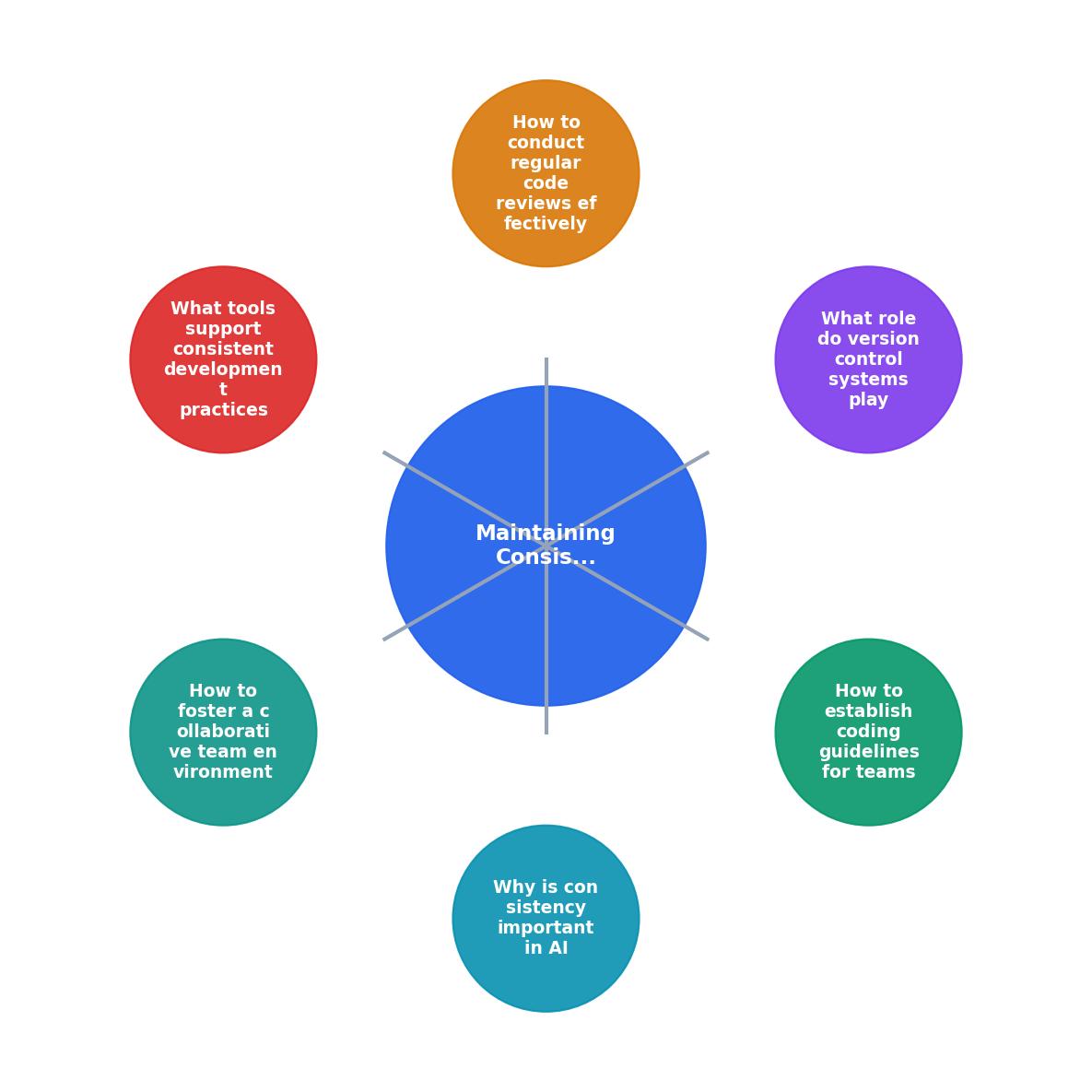
In today's fast-paced tech landscape, AI-generated code offers incredible speed but often lacks consistency. For engineering leads and CTOs, this inconsistency can mean the difference between a cohesive, maintainable codebase and a fragmented, error-prone mess. The key to leveraging AI in a productive manner lies in establishing robust guidelines, utilizing effective tools, and fostering a collaborative team environment. This guide explores how to maintain consistency in AI-generated code across teams, ensuring that your development process remains reliable and efficient.


In today's fast-paced tech landscape, AI-generated code offers incredible speed but often lacks consistency. For engineering leads and CTOs, this inconsistency can mean the difference between a cohesive, maintainable codebase and a fragmented, error-prone mess. The key to leveraging AI in a productive manner lies in establishing robust guidelines, utilizing effective tools, and fostering a collaborative team environment. This guide explores how to maintain consistency in AI-generated code across teams, ensuring that your development process remains reliable and efficient.
Photo by cottonbro studio from Pexels
TL;DR
- Establish coding guidelines to standardize AI-generated code.
- Use version control systems to track changes and maintain consistency.
- Conduct regular code reviews to ensure quality and adherence to standards.
- Utilize tools that support consistent development practices.
- Foster a collaborative environment to enhance team cohesion.
Why is Consistency Important in AI-Generated Code?
Consistency in AI-generated code ensures that all team members are on the same page, reducing errors and improving the maintainability of the codebase. A cohesive codebase makes it easier for developers to understand and contribute to the project, leading to enhanced productivity and reduced onboarding time for new team members. Moreover, consistency helps in identifying and fixing bugs more efficiently, ultimately leading to a more stable product.
How to Establish Coding Guidelines for Teams?

Creating coding guidelines is the first step toward achieving consistency. These guidelines serve as a reference for developers, outlining the coding style, conventions, and best practices that should be followed. Here’s how you can establish effective coding guidelines:
- Involve the Team: Engage team members in the process of creating guidelines to ensure buy-in and adherence.
- Document Clearly: Write clear, concise guidelines that are easy to understand and accessible to all team members.
- Regular Updates: Review and update the guidelines regularly to incorporate new practices and tools.
- Training Sessions: Conduct training sessions to familiarize the team with the guidelines.
- Enforcement: Use code review processes to ensure compliance with the guidelines.
What Role Do Version Control Systems Play?
Version control systems (VCS) are indispensable for maintaining consistency in AI-generated code. They allow teams to track changes, collaborate effectively, and revert to previous versions if necessary. Here’s how VCS can help:
- Traceability: Keep track of who made changes and why, which aids in accountability and transparency.
- Collaboration: Facilitate collaboration by allowing multiple developers to work on the same codebase simultaneously without conflicts.
- Backup and Recovery: Provide a safety net by enabling easy rollback to previous versions in case of errors.
How to Conduct Regular Code Reviews Effectively?

Regular code reviews are crucial for maintaining code quality and consistency. They provide an opportunity for team members to share knowledge, catch errors, and ensure adherence to coding guidelines. Here are best practices for conducting effective code reviews:
- Set Clear Expectations: Define what constitutes a thorough code review, including aspects like functionality, readability, and adherence to guidelines.
- Encourage Constructive Feedback: Foster a culture where feedback is constructive and aimed at improving the code, not criticizing the coder.
- Use Tools: Leverage tools like GitHub, GitLab, or Bitbucket to streamline the code review process.
- Regular Scheduling: Conduct code reviews regularly, making them an integral part of the development process.
What Tools Support Consistent Development Practices?
Several tools can aid in maintaining consistent development practices across teams. These tools automate various aspects of the development process, ensuring that consistency is maintained without manual intervention. Here are some examples:
- Linters and Formatters: Tools like ESLint and Prettier help maintain code style consistency automatically.
- Continuous Integration (CI) Systems: Jenkins, Travis CI, and CircleCI automate the process of testing and deploying code, ensuring that only consistent and error-free code reaches production.
- Documentation Tools: Tools like Confluence and Notion help in maintaining up-to-date documentation, which is crucial for consistency.
Top Tools for Consistency
How to Foster a Collaborative Team Environment?
A collaborative team environment is vital for maintaining consistency in AI-generated code. When team members communicate effectively and work towards common goals, consistency naturally follows. Here are strategies to foster collaboration:
- Regular Meetings: Hold regular meetings to discuss progress, challenges, and solutions.
- Open Communication: Encourage open communication channels where team members can freely share ideas and concerns.
- Team Building Activities: Organize team-building activities to strengthen relationships and improve collaboration.
- Shared Goals: Set shared goals and objectives that align with maintaining consistency in the codebase.
Steps to Establish and Maintain Coding Guidelines
Your progress is saved automatically in your browser.
FAQ
Frequently Asked Questions
What strategies have you found effective in maintaining consistency in AI-generated code across your teams? Share your thoughts in the comments below.
Additional Resources
- How to Standardize AI Code Generation Across Your ... - By encoding conventions, architectural decisions and reasoning as explicit rules, teams preserve institutional knowledge even as codebases ...
- How to implement collaborative AI coding in enterprise teams - Most importantly, it standardizes coding practices across teams, creating consistency that scales with organizational growth. For teams ...
- Continuous Testing for AI-Generated Code: Building Trust ... - AI coding tools are everywhere, but trust is lagging. Continuous testing closes the gap between speed and reliability.
Ready to Master Vibe Coding?
Learn to build software faster with AI assistance using the Vibe Coding Bible.
Get Started